「今のあなたは幸せですか?」と聞かれたら、どう答えますか?
私は迷わず「YES」です。本当に生きててよかったと思う。私は私でよかったと思う。そして、私として人生を生きたいと思う。これは誕生日を迎えるたびに思うことです。
でもいつもそうではなかった。また、外から見てたら、「そりゃ大切な家族もいるし、自然豊かなところに住んでるし、仕事もちゃんとあるし、幸せでしょ」って思われるかもしれない。でも、それもやっぱり違うんです。
1. 文化の狭間の自分を受け入れる
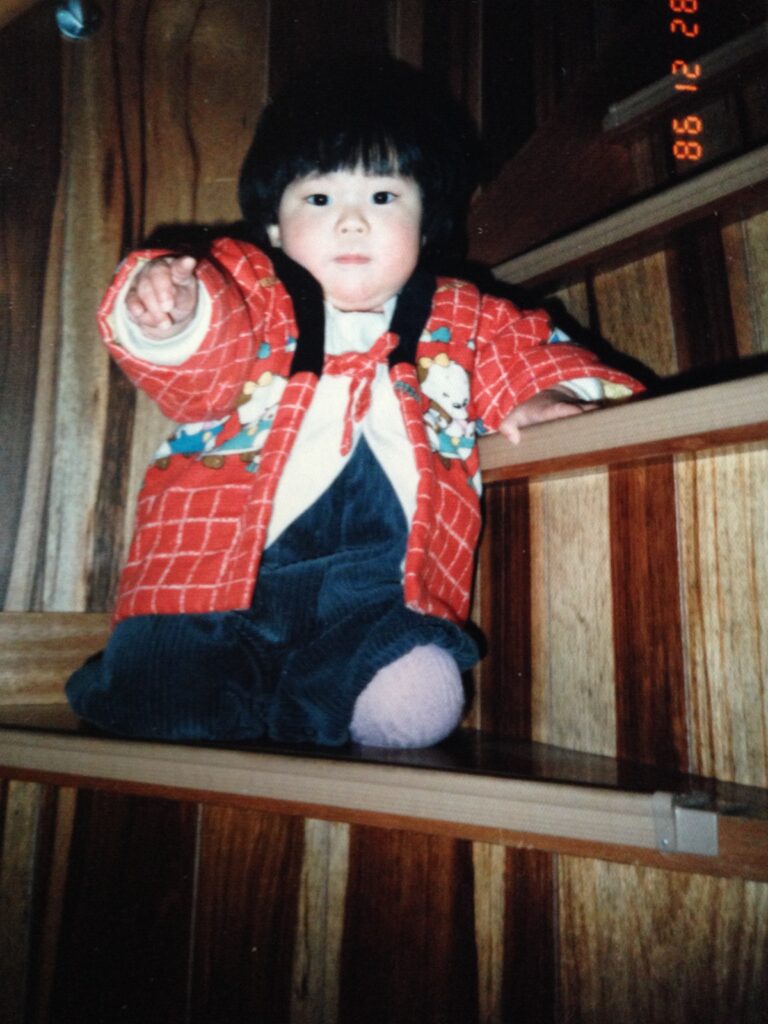
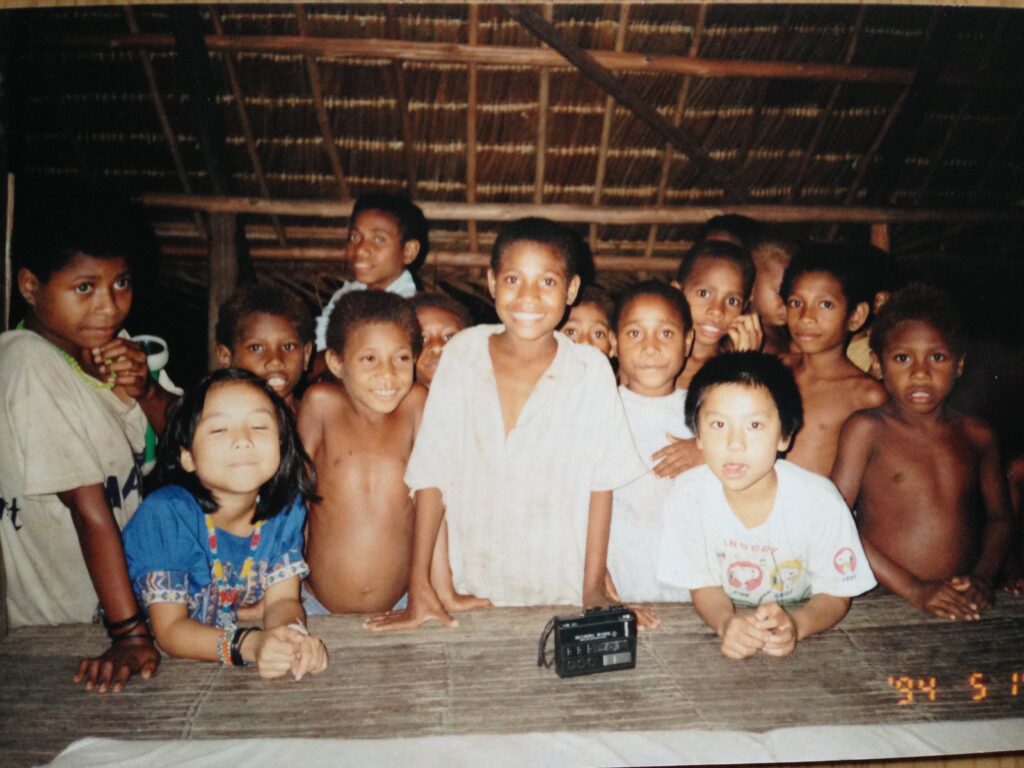
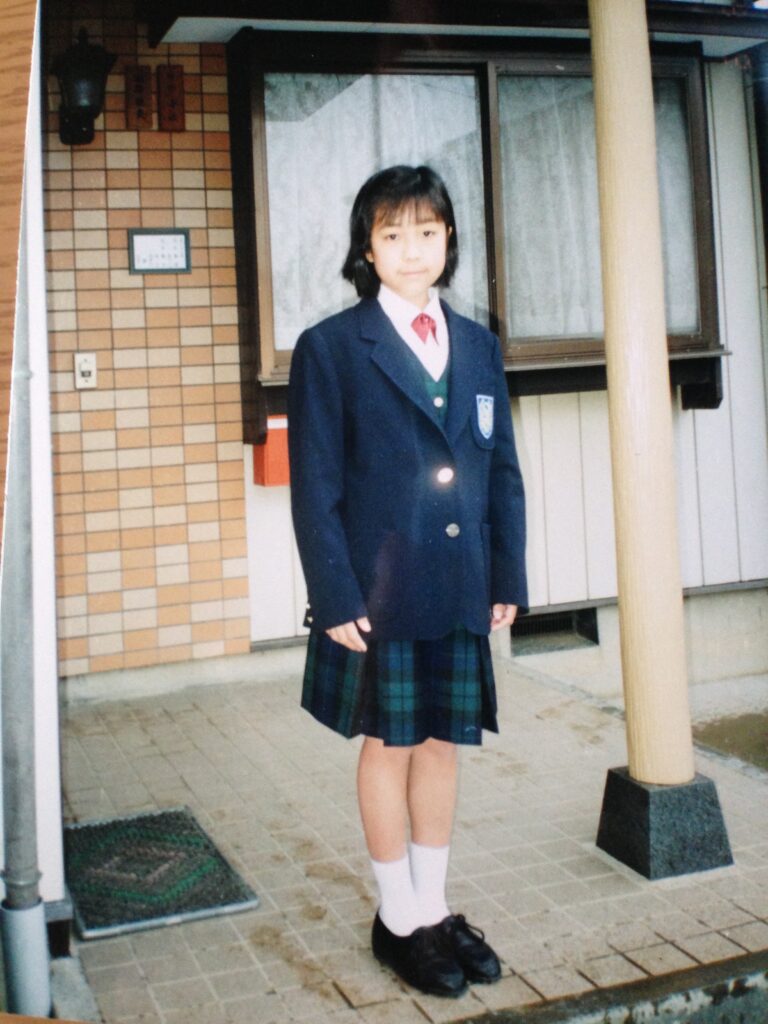
私は12歳までの幼少期を3カ国で過ごしました。日本、台湾、パプアニューギニア。どれも自分にとって、楽しい場所だった。でも、12歳で日本に帰国した時に、初めて「私は私らしくしてはいけない」という体験をしたのです。日本人だし、日本語喋れるけど、馴染めない。居場所がない。今までのように自由にしてたら、白けられる。だから、必死に馴染もうとした中高時代でした。
その後大学で、異文化の中で育った他の人たちに出会い、私は、日本の価値観や文化感とは異なったアイデンティティーを持っているんだと認識。だからと言って、欧米人の価値観や文化感だけとも違う。でもそれでいいんだということに気づきます。私はいろんな文化や考え方が混ざって、私という人間なんだ、これが、一つ目の幸せにつながる気づきでした。
2. 女性性のエネルギーに気づく
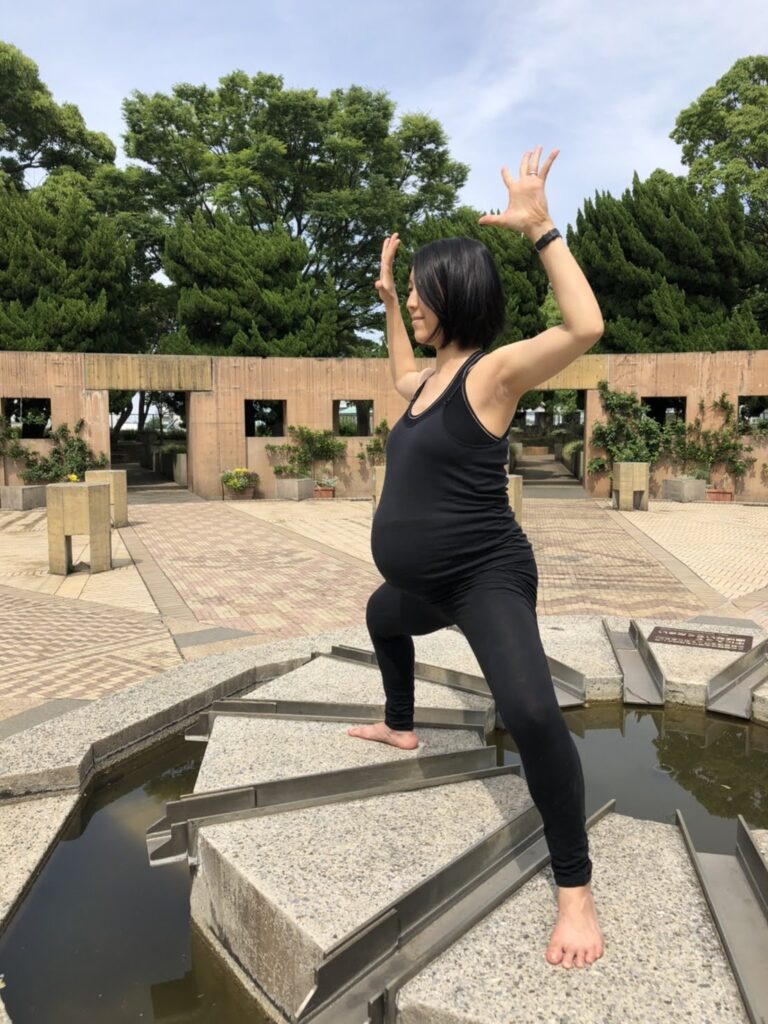
2つ目は、自分の身体との出会いです。「女性性」という言葉は、男と同じくらいできると証明したがっていた私には興味がない言葉でした。女性らしく、女らしく、という概念が大っ嫌い。でも、女性性という言葉を、「創り出す力、何かを生み出す力」と言い換えてくれたメンターの人の言葉で、意識が変わりました。全ての人に女性性がある。私の中にも。そしてそれは、妊娠、出産を通して、実際に人間を生み出す力という体験へとなったのです。私の中の女性性とは、力強く、生々しく、時には破壊的で、時には癒し、あるべき姿を発揮させてくれる力のことです。そして、月経や妊娠、出産を通して、身体レベルでそれを感じましたし、それが音楽やヨガのクラスなど自分の表現を生み出すことも体験しました。
3. あるがままを見て許すことを学ぶ
そして3つ目が、あるがままを観て、それを許し、自分が本当にしたいことを選び取っていくというヨガを通して学んだ実践です。私は私でいいんだ。今何を感じていても(それが怒りや悲しみや妬みであったとしても)、それは大丈夫。私は人間としてそれを感じている。そして、それをそのままにさせてあげると、だんだん自分が何をしたいのか見えてくる。
特に、まだ子供が赤ちゃんだった時や家族の病気が大変だった時は、本当に苦しかった。でも、泣きながらも叫びながらも、「私は今これをしたいんだ」ということを一つ一つ選んでいったところに、今の私があります。それは外の状況に左右されるものではなくて、自分を心から愛し、この世界で安心して自分を生きるということ。40歳になったから、色々な体験を体系付けて理解できているということもあると思います。そして。この3つの秘訣(文化の狭間にいる私、女性性を持っている私、自分を愛し許せる私」は、これからもいろんな形で深まっていくのだと思います。
幸せの定義って、人それぞれかもしれないけれど、私は私でいいんだっていう安心感が大きなバロメターなのかもしれません。皆さんは、幸せってなんだと思いますか?
If someone were to ask you, “Are you happy right now?” how would you answer?
I would say “YES” without a moment’s hesitation. I am truly glad to be alive. I am glad to be who I am. And I want to live my life as myself. This is something I feel every time my birthday comes around.
But it wasn’t always this way. From the outside, people might think, “Well, you have a loving family, you live in a great area, and you have a steady job—of course you’re happy.” But that’s not quite it, either.
1. Embracing a Multicultural Identity
I spent my childhood up until the age of twelve in three different countries: Japan, Taiwan, and Papua New Guinea. Each has happy memories for me. But when I returned to Japan at twelve, I experienced—for the first time—the feeling that “I can’t be who I am if I am to be accepted.”
I was Japanese and I spoke the language, but I didn’t fit in. I felt I had no place to belong. If I acted as freely as I always had, I sensed that others didn’t quite know how to be with me. So, I spent my junior high and high school years desperately trying to blend in.
During university I met others who had grown up between cultures. I realized that I possessed an identity distinct from standard Japanese values and cultural perspectives. That didn’t mean I identified solely with Western values, either. I realized that was okay. My identity was a “third culture kid,” where my value and culture were a blend of both the east and the west. This was the first realization that allowed me to feel happy as I was.
2. Discovering “Feminine Energy”
The word “feminine energy” held no interest for me. I was someone who wanted to prove I was just as good as, or better than guys around me. I hated concepts like “ladylike” or “feminine.” However, my perspective shifted when a mentor redefined feminine energy as “the power to generate, the power to bring something into being.”
Everyone possesses this “feminine energy”—including me. It came out through creating space for hospitality and welcoming others. It manifested itself as music and art, and as spontaneous play. And in my 30’s, through pregnancy and childbirth, this became a literal experience of bringing a human being into the world. To me, feminine energy is a force that is powerful, raw, sometimes destructive, sometimes healing—a force that allows things to manifest as they should. I felt this on a physical level through menstruation, pregnancy, and birth, and I continue to experience it through creating my own expressions in music and yoga classes.
3. Acceptance Through Yoga
The third pillar is the practice I learned through yoga: observing things as they are, letting them be, and then being empowered to choose what I truly want to do.
It is okay to be me. Whatever I am feeling right now—even if it is anger, sadness, or envy—it is okay. I am experiencing those things as a human being. When I allow those feelings to just exist, what I truly want to do gradually becomes clear.
Living with Intention
Times were incredibly difficult with my family during the early baby years, and through times of sickness. But even while crying or screaming, I chose—one by one—the things I truly wanted to do. I kept being honest, and reaching out for help that allowed me to choose what I wanted and who I wanted to be. That is how I became who I am today.
Happiness isn’t dictated by external circumstances; it is about loving yourself and being at ease in your own skin, in this world. Perhaps turning 40 has helped me organize these experiences into a cohesive understanding. I believe these three secrets—being someone between cultures, embracing my feminine energy, and loving and allowing myself to be just as I am—will continue to deepen in various ways.
The definition of happiness might be different for everyone, but for me, a major barometer is the sense of peace that comes from knowing it’s okay to be me.
What does happiness mean to you?